Are NFC digital business cards safe?
Yes, NFC digital business cards are generally safe. A physical NFC tag usually stores a web link, not your personal data, while app-based Tap to Share sends the link from your phone. The main privacy risk comes from what that destination reveals and how long the link remains usable. Here is what you need to know and how to protect your information.
How do NFC digital business cards work?
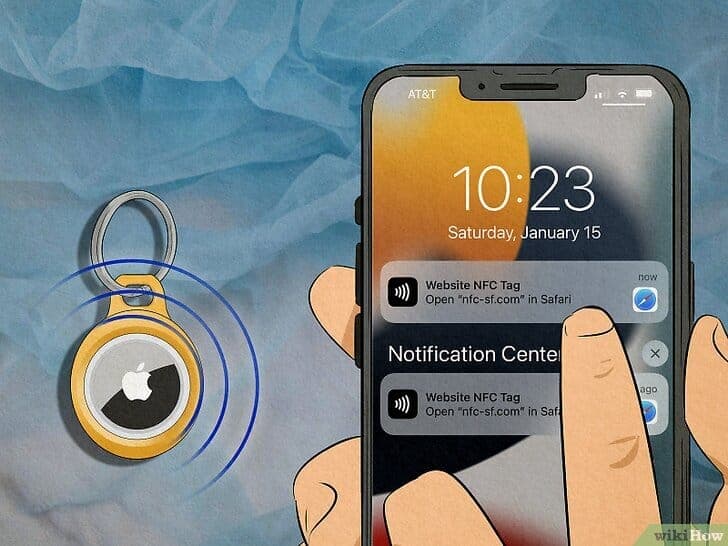
Companies like Popl, Blinq, and V1CE offer physical cards embedded with NFC tags. When someone taps the card against a smartphone, the tag transmits a URL that opens the cardholder's digital business cardin a browser. The key thing to understand is that the NFC tag simply stores a web link. Your digital card itself lives online, hosted by the platform you use. If the tag contains a public card URL, that card remains accessible through the URL whether someone taps the NFC tag, scans a matching QR code, or clicks the link directly.
Physical NFC tag URLs vs app Tap to Share
A physical NFC card or tag commonly carries a persistent URL written to the hardware. Because that URL cannot refresh itself, physical NFC cards and tags are not compatible with Lynkle Private Card Sharing. You must turn off Private Card Sharing before pairing your card with physical NFC hardware.
App-based Tap to Share does not require purchased hardware and can use the refreshed private link currently associated with your card. Lynkle Tap to Share requires Pro or Teams. It is available on Android and on iOS only in the European Economic Area. The recipient opens your card in their browser and does not need Lynkle.
Should you be concerned about privacy?
Here is a simple test: copy your digital business card URL and paste it into a private browser window. Can you see all of your contact information? If so, that means anyone with the link, not just people you intentionally share it with, can view your personal details. Most NFC digital business card platforms make your card publicly accessible by default. Your name, phone number, email address, job title, company, and social profiles are visible to anyone who has or guesses your card URL. For many professionals, especially those in client-facing or public roles, this may be acceptable. But for others, it's a real privacy concern.
How Lynkle solves the privacy problem
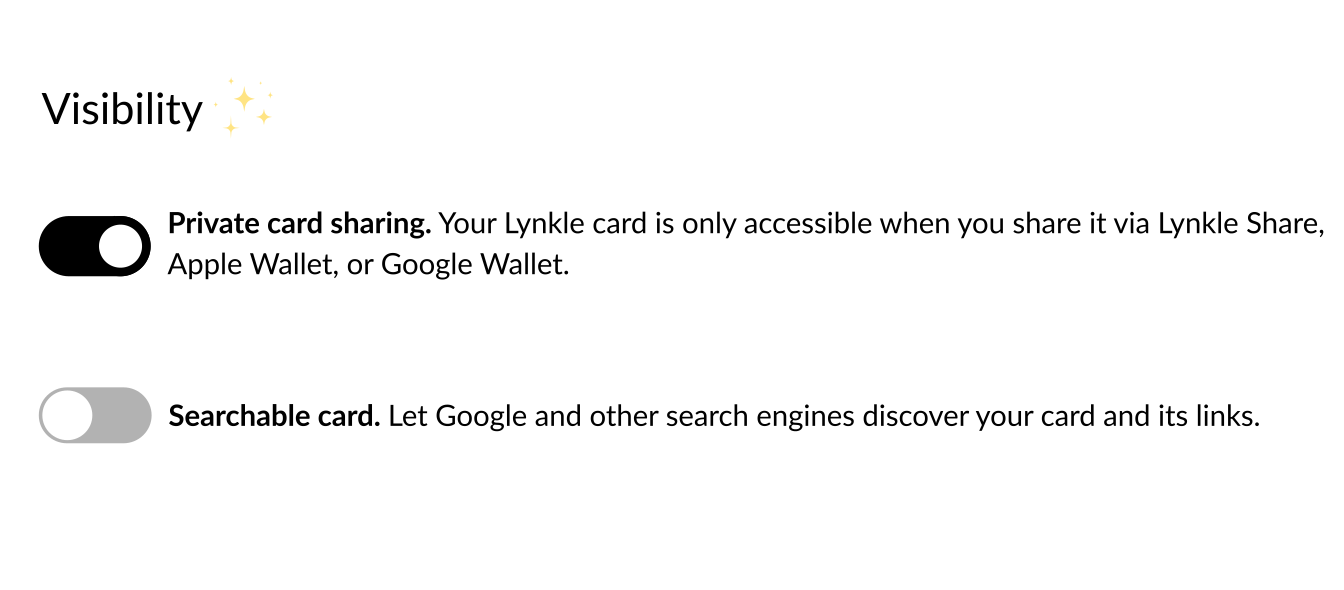
Lynkle offers a feature called Private Card Sharing that restricts access with secure, expiring links. Your public card URL returns a not-found page to anyone without a valid token, while links used by supported digital share methods refresh automatically. A recipient who opens a valid link sees your card normally, with no password prompt, contact form, or extra step. Private Card Sharing requires Lynkle Pro or Teams.
The future of NFC digital business cards

Modern smartphones from both Apple and Android have NFC capabilities built in, which means the barrier to sharing and receiving NFC business cards is lower than ever. As NFC technology continues to mature and platforms add stronger privacy controls, NFC digital business cards will become an even more trusted tool for professional networking. The key is choosing a platform that gives you control over your data and respects your privacy, not one that simply makes everything public by default.
Related reading
Ready to start your digital business card journey?
Get started for freeTrusted by the best